

Why Your New Website is a Ghost Town: The 9-Step "Invisible" Checklist
You built it, but nobody came. But there's a technical protocol to fix your zero-traffic baseline.

You know the feeling intimately. You spent weeks perfecting the CSS until every pixel was aligned, hours obsessing over the landing page copy to ensure it converted, and hundreds of dollars securing that premium .io or .com domain because you believed in the brand.
Then, you launched.
You waited for the dopamine hit of the analytics dashboard lighting up. You refreshed the page. You checked your phone. But instead of a flood of users, you’re staring at a flatline. The silence is crushing. It validates your worst fear, that you built something nobody wants. But that fear is likely wrong.
Most founders treat search engine visibility as a mystical art form or a waiting game. They hope the “algorithm” eventually blesses them with a spot on page one. But that hope is not a strategy.
If your site is a ghost town, it’s not because your product is bad. It’s likely because you haven’t completed the basic technical handshakes required to enter the modern web ecosystem. SEO is a specific technical protocol that most beginners just ignore.
Here is the 9-step checklist to turn the lights on.
1. The “Locked Gate” (Robots.txt)
You can do everything else right, but if you fail this step, none of it matters.
Many developers leave “staging” settings active when pushing a site live, resulting in a robots.txt file containing Disallow: /. This single line explicitly bans Google from entering your site. It is the digital equivalent of leaving the chain lock on your front door.
The Fix: Check
yourdomain.com/robots.txt. If you seeDisallow: /, delete it immediately so crawlers can enter.
2. The “Condemned Building” Sign (SSL/HTTPS)
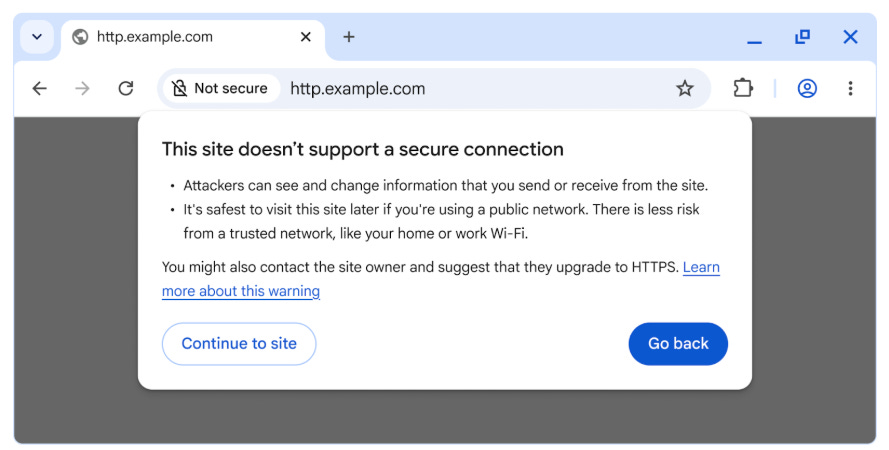
Trust is the currency of the web. If your site URL starts with http:// instead of https://, modern browsers flag it with a “Not Secure” warning.
To a user, this looks like a “Condemned Building” sign, causing immediate bounces. Furthermore, Google penalizes insecure sites, burying them in search results. You cannot rank if you are considered a security risk.
The Fix: Ensure your SSL certificate is active and all traffic redirects to HTTPS.
3. Google Isn’t Psychic: The Search Console Handshake
Google does not just “find things” by accident. The web is expanding by millions of pages every day; passive waiting is the fastest way to remain unindexed and irrelevant. To exist in the search ecosystem, you must move from a posture of waiting to a posture of proactive submission.
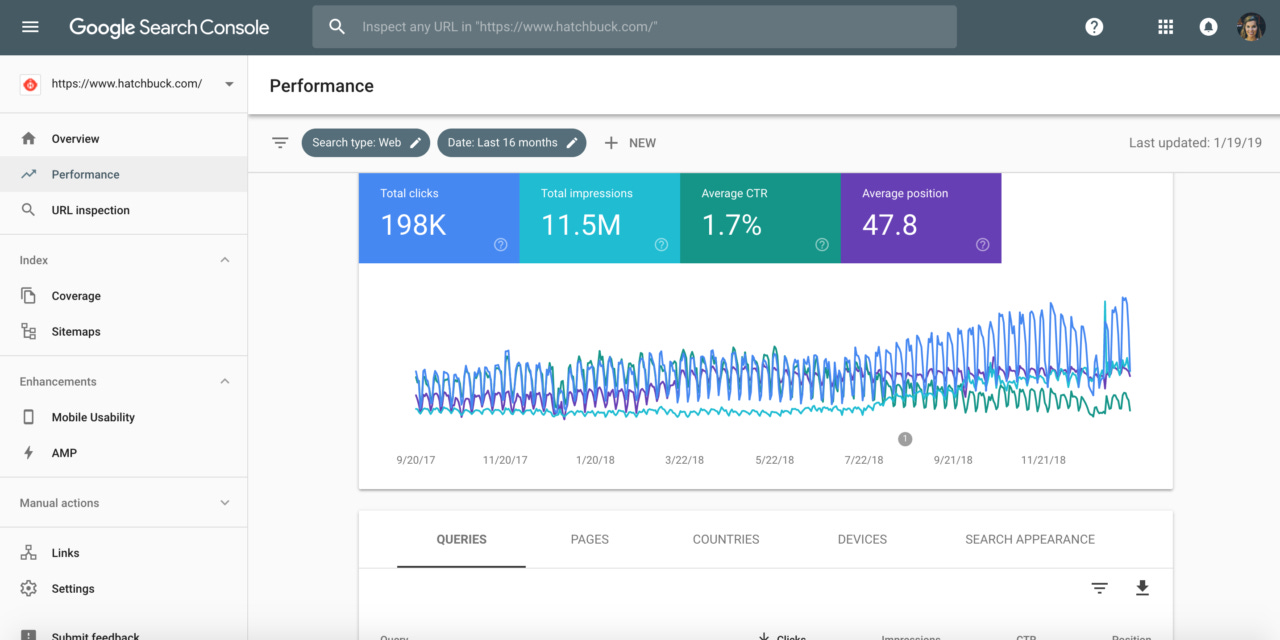
You need to tell the gatekeeper you have arrived, or you will stay invisible. Google Search Console (GSC) isn’t just a registration form; it is the only direct line of communication between your website and Google. It is where they tell you if your site is broken, if it’s infected with malware, or if they simply refuse to index a page because of a technical error.
The Fix: Set up Google Search Console immediately. Verify your domain ownership via DNS record. This is the only way to explicitly tell Google, “I exist, and here is my content.” Without this, you are flying blind without instruments.
4. The “Free Traffic” You’re Ignoring (Bing)
In the quest for growth, ignoring any major search engine is a high-friction mistake. While Google is the giant, Bing represents a massive, often less-competitive segment of the market.
It’s important to remember that Bing powers the search results for Yahoo, DuckDuckGo, and millions of corporate computers where Edge is the default browser. This audience is often older, wealthier, and has higher purchasing intent than the general web population. Leaving your site off Bing is functionally identical to leaving money on the table. It is a low-friction, high-yield optimization that takes minutes but pays dividends in discoverability.
“Bing. Come on. That’s free traffic you are ignoring.”
The Fix: Register for Bing Webmaster Tools. It often imports your data directly from Google Search Console, doubling your footprint in three clicks.

5. The Map Your Website Needs (The Sitemap)
Think of your website as a new corporate headquarters. Having a site without a sitemap is like having a building without a registered address on a GPS or a floor plan for emergency services.
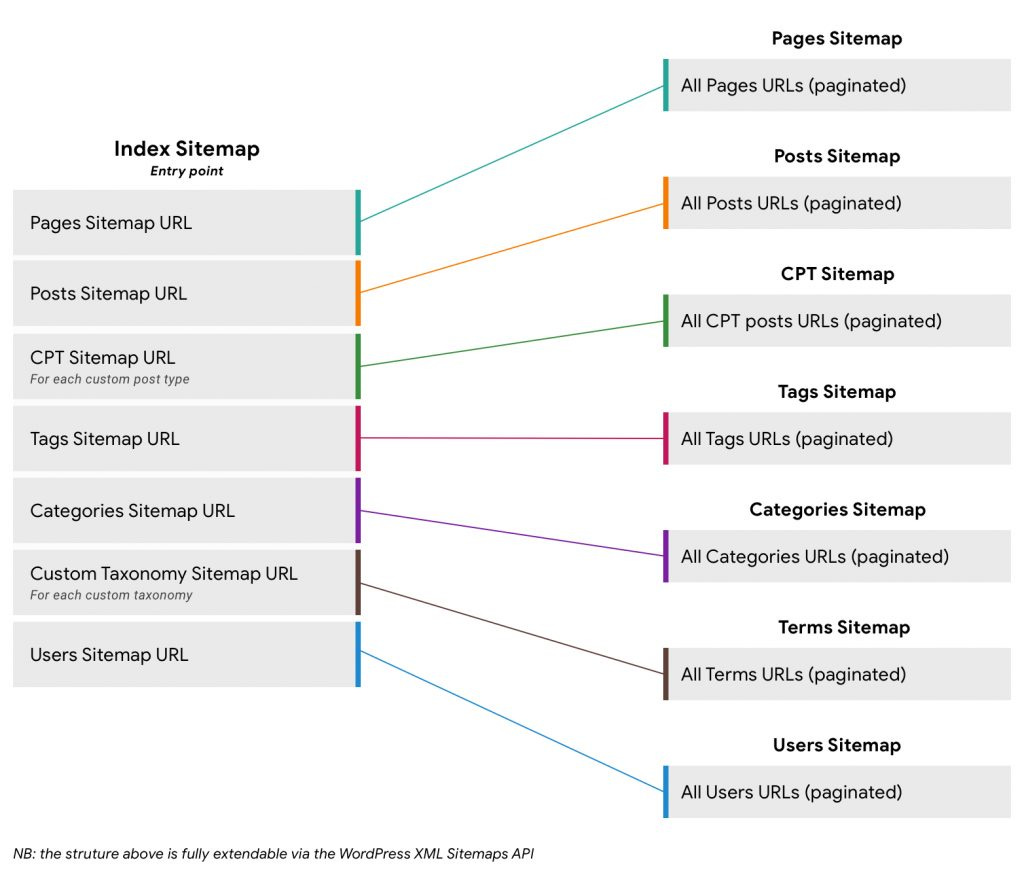
For a search engine to index your content effectively, it needs to understand your architecture. Without a sitemap, Google relies on following links from one page to another. If you have a page that isn’t linked to (an “orphaned page”), the crawler hits a dead end, and that content remains invisible. The search engine crawler is the postal service; if it doesn’t have a clear destination and a route to get there, your “mail”—your content—will never be delivered to the user.
The Fix: Generate an
XML Sitemap(most CMS platforms like WordPress or Ghost do this automatically at/sitemap.xml) and submit the direct link to both Google and Bing. This guarantees the crawler knows every room in your house exists.
6. The Mobile “Funhouse Mirror” (Mobile-First Indexing)
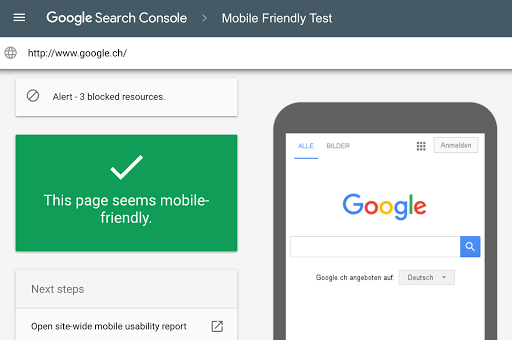
You might design on a 4K monitor, but your users live on 6-inch screens. Crucially, Google practices Mobile-First Indexing.
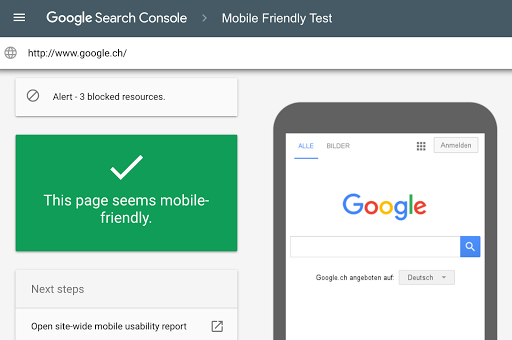
Google looks at your mobile site first. If your desktop site is beautiful but your mobile site is broken, Google considers your entire site broken.
The Fix: Use Google’s “Mobile-Friendly Test” tool. If elements are too close or text is too small, fix it immediately.
7. Fixing the “Broken Preview” (Open Graph Tags)
Discoverability isn’t just about search results; it’s about social velocity.
When you share your link on Twitter, LinkedIn, or Slack, does it look like a professional destination or a “weird broken preview”? This isn’t just an aesthetic issue; it’s a trust issue. In the split-second economy of the social feed, nobody reads URLs. They read previews. If a link looks broken, generic, or lacks an image, users flag it as spam and keep scrolling.
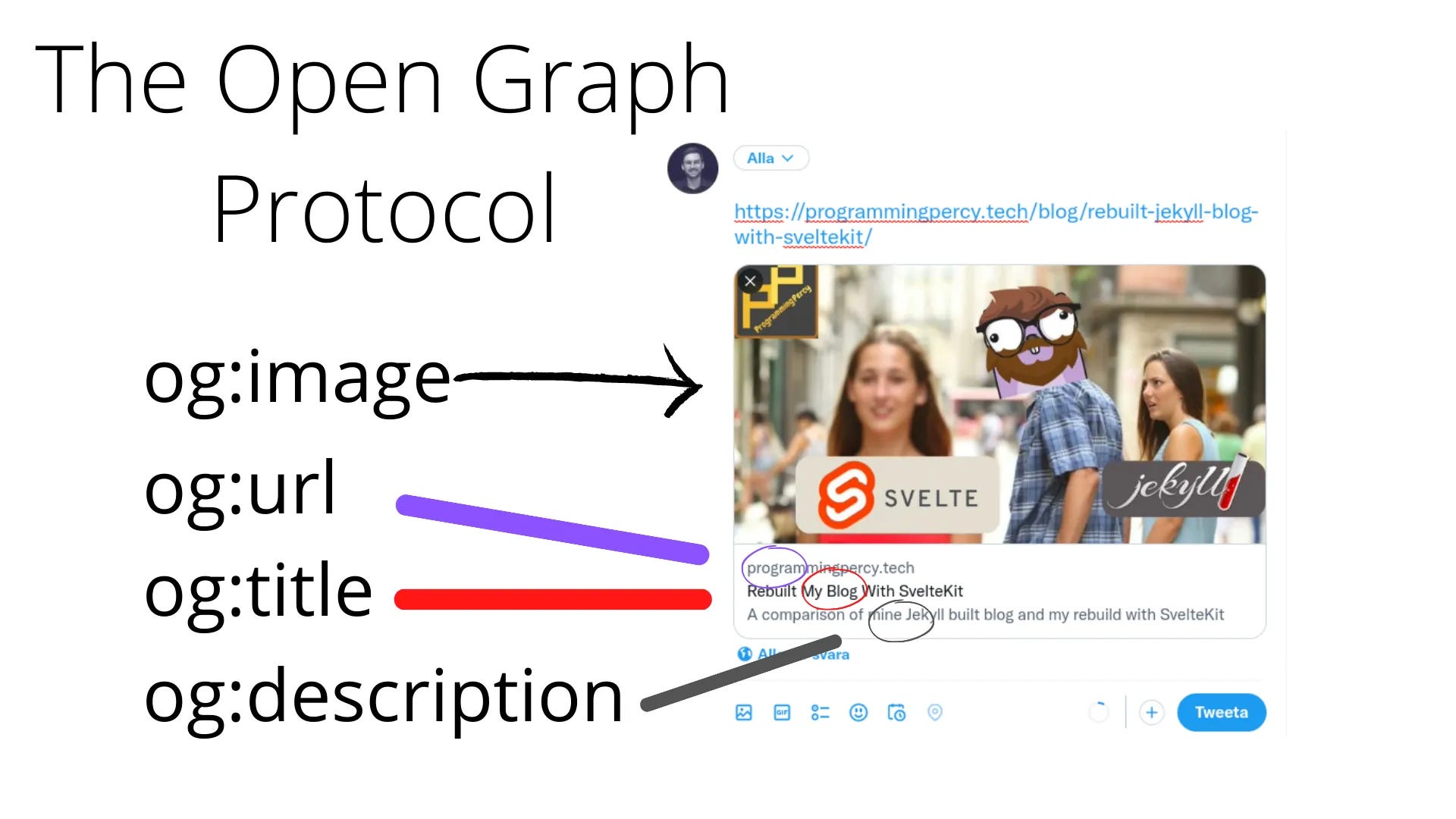
Open Graph (OG) tags are the standard protocol for controlling your digital first impression. They allow you to define:
Title: A compelling, high-click headline that might differ from your SEO title.
Image: A high-resolution visual that stops the thumb. The “gray box of death” is a conversion killer.
Description: A punchy summary that converts a view into a click.
The Fix: Audit your meta tags using tools like
Opengraph.xyz. Control the preview, or let the platform mangle your brand’s credibility.
8. The “Translator” (Structured Data / Schema)
Search engines struggle with context. They read “Chocolate Cake” but don’t inherently know if it’s a product, a review, or a recipe.
Structured Data (Schema) acts as a translator. It explicitly tells Google: “This is a recipe. This is the cook time.” This generates rich snippets—stars, prices, and FAQs—in search results.
The Fix: Use a Schema generator to mark up key content. It’s the difference between handing someone a book and a summary with sticky notes.
9. The Speed of Light: Instant Indexing via IndexNow
Traditional web crawling is plagued by latency. You publish content today, but a search engine might not crawl your site for days or weeks. For a growth-focused site, that delay is a momentum killer. If you are writing about current events or launching a time-sensitive product, waiting three weeks for Google to notice is unacceptable.
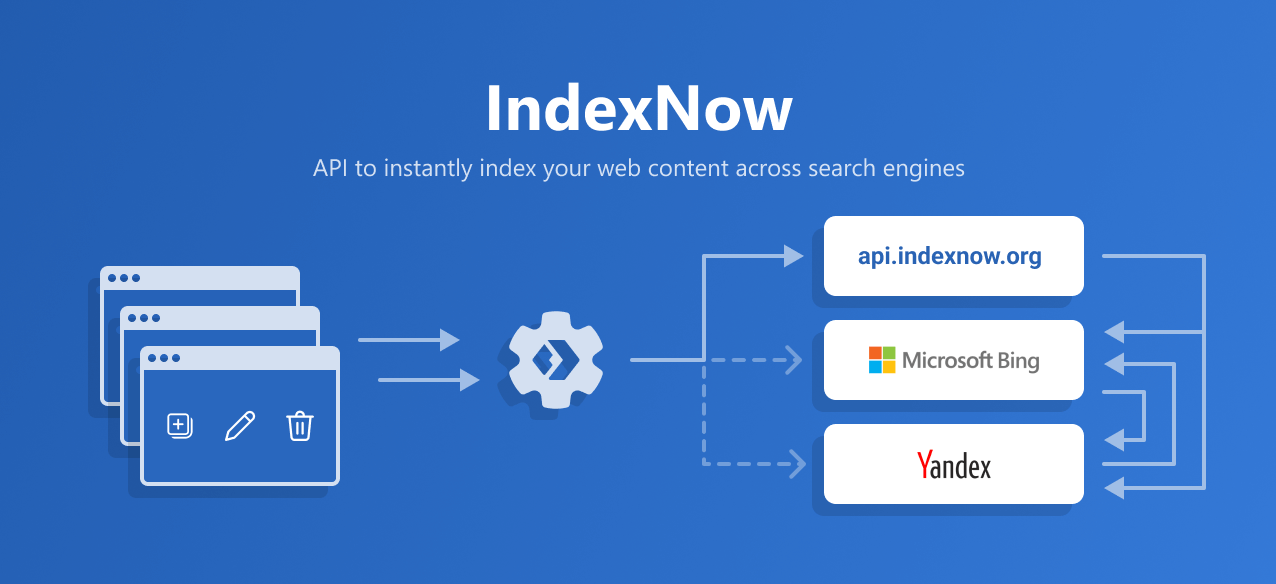
The IndexNow protocol changes the game by allowing you to “ping” search engines the second you hit publish. This facilitates instant indexing. By moving from a “wait-to-be-crawled” model to an “instant-update” model, you ensure your content is live and discoverable the moment it’s relevant.
Conclusion: Turn the Lights On
If your visitor counter is stuck at zero, stop looking for “growth hacks” and start looking at your foundations. You cannot build a marketing penthouse on top of a technical swamp.
Traffic isn’t a mystery to be solved. It’s a series of technical tasks to be completed. Your lack of visitors isn’t necessarily a content problem, but more of a discovery failure.
The tools are free, the protocols are established, and the path to visibility is clear. The question remains: is your website actually a “ghost town,” or did you just forget to flip the switch?